- HOME
- ADMINISTRATION
- UPB Offices
- Office of Chancellor
- Office of Vice Chancellor
- Office of Vice Chancellor Acad Affairs
- Graduate Program Office
- University Library
- Library Archives
- Committee on Culture and the Arts
- Learning Resource Center
- Science Research Center
- Ugnayan ng Pahinungod Baguio
- Program for Indigenous Cultures
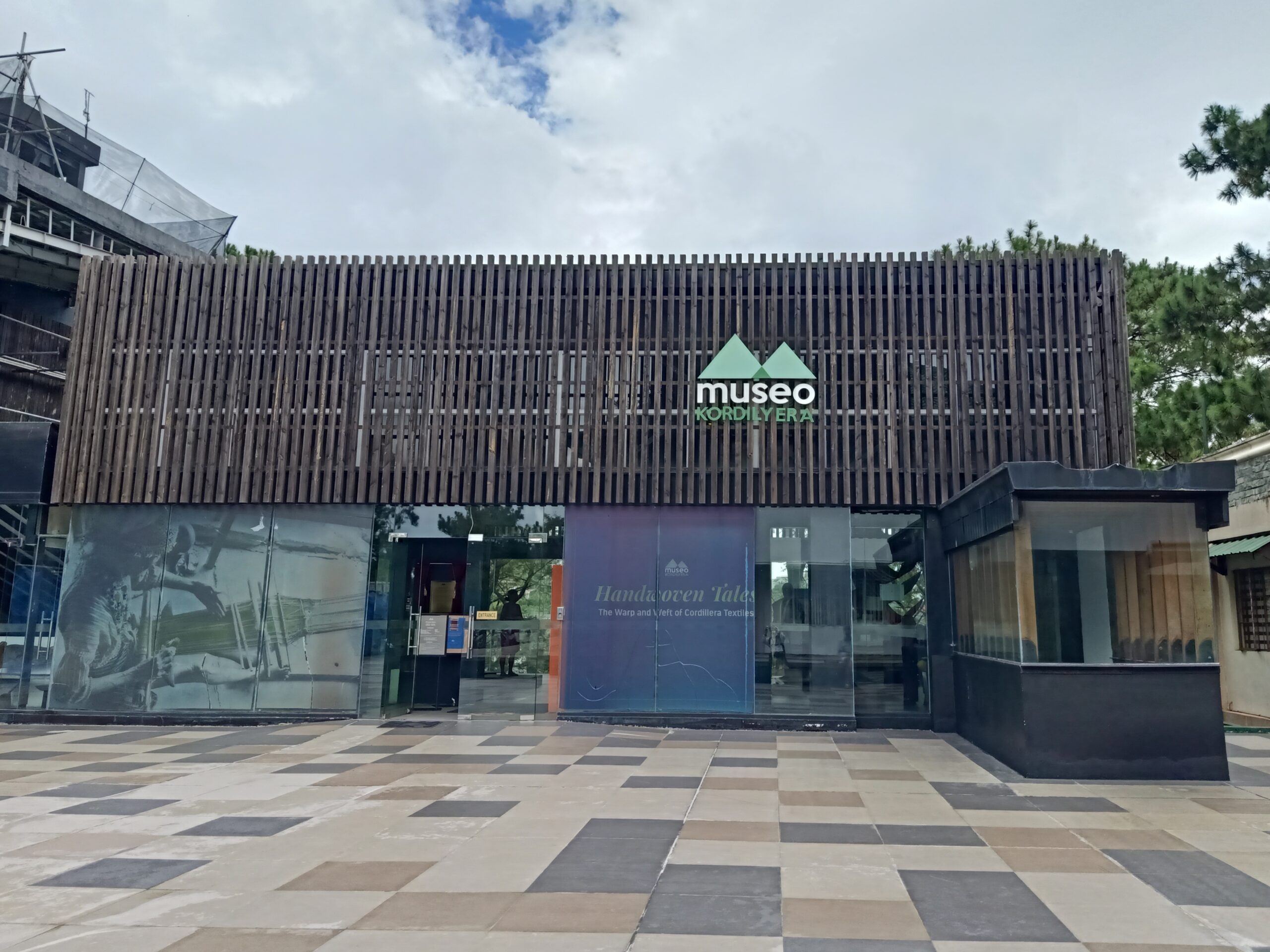
- Museo Kordilyera
- National Service Training Program
- Kasarian Gender Studies Program
- Office of Anti-Sexual Harrassment
- Office of the Director of Student Affairs
- Office of University Registrar
- Office of Public Affairs
- UPB Bids and Awards Committee
- UPB Citizen’s Charter Handbook
- UPB Freedom of Information Manual
- UPB Land Use Development and Infrastructure Plan
- UPB Masterplan
- UPB Policies
- UPB Transparency Seal and Citizen’s Charter
- UP Acceptable Use Policy for Information and Technology Resources
- UP Data Privacy Policies
- UP System Manuals
- PhilGEPS Philippine Government Electronic Procurement System
- UPB Offices
- ADMISSIONS+ACADEMICS
- ALUMNI
- ANNOUNCEMENT
- ACTIVITIES
- RESEARCH
- PUBLIC SERVICE